







Search Results for: clearly marked prices
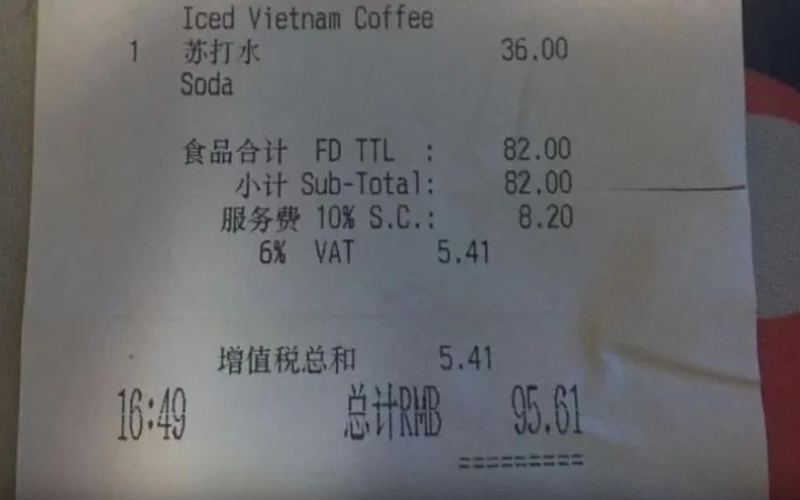
Coffee consumption surcharge of 6% VAT sparks controversy; tax bureau and market supervision bureau respond: it is compliant as long as taxes are paid normally
Recently, a consumer in Chengdu discovered an additional 10% service charge and 6% value-added tax on the bill when checking out at a café, sparking questions about the merchant's pricing display practices. The consumer felt that although there was a notice, it was far from conspicuous, and felt forced to accept the fee only after consuming. Tax authorities responded that as long as the merchant pays taxes normally, it is compliant, while market regulators stated they could suggest improvements but could not impose penalties. This incident reflects the current模糊 zone of separately labeling commodity prices and taxes, and has also triggered discussions on transparent pricing and consumers' right to know. This article will recount the incident, sort out the responses from various parties, and explore consumers' genuine feelings under the trend of itemizing taxes. [more…]
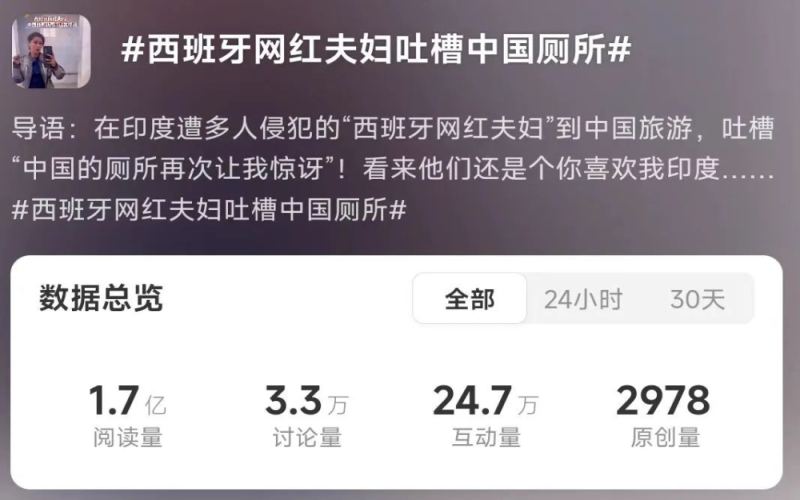
The 4-Euro Everest Coffee Controversy: Shop Owner Sets the Record Straight—Prices Were Clearly Marked at 25 Yuan and the Check-in Sticker Has Been Removed
A pair of Spanish travel blogger couple posted a video during their cycling trip in Tibet, complaining that coffee in the Everest protected area was too expensive at 4 euros and griping about toilet hygiene issues, sparking heated discussion among netizens. Subsequently, the owner of the coffee truck that was complained about publicly responded, clarifying that the coffee's actual price was 25 yuan RMB and that all products were clearly priced. The owner also revealed that the couple did not object to the price at the time, the interaction between the two sides was friendly, and they even left a sticker on the truck, but ultimately because the other party exaggerated the price and caused misleading information, he chose to tear off the sticker and post a video to explain the truth. [more…]
Italian Espresso Pricing Controversy: Decaf Sold at 2 Euros Leads to a 7,000 Yuan Fine, Champion Barista Speaks Out
Italian espresso is regarded as a national cultural symbol and has long maintained a low price of around 1 euro. After the pandemic, costs rose, and some cafés raised the price to 1.5 euros, which sparked consumer dissatisfaction. Recently, a three-time coffee competition champion was fined 1,000 euros (about 7,109 yuan) because a decaf espresso was priced at 2 euros and the price was not listed on the physical menu. He posted a question: why do Italians accept a 2-euro newspaper, yet feel that a 1.2-euro espresso is not worth it? When the specialty coffee wave meets the traditional low-price culture, the pricing dilemma of Italian espresso is worth pondering. Front Street Coffee continues to follow global coffee industry trends and brings you in-depth reporting. [more…]

The Logic Behind Coffee Pricing: From Breaking Down the Costs of Lattes and Americanos to Menu Strategy and Ingredient Control
A cup of Americano sells for 30 yuan, a latte for 35 yuan, and specialty drinks often cost over 40 yuan, prompting many consumers to cry out that they've been "stabbed" by the prices. But is coffee shop pricing really just arbitrarily marked up? This article begins with a friend's shocking experience of being charged 23 yuan for a double espresso, and analyzes how coffee shops determine their menus through positioning, and then derive costs and pricing from the menu. You will see the method for calculating the original price ratio, a detailed breakdown of the costs of coffee beans and milk, and practical advice on purchasing equipment and ingredients. The article also specifically mentions brand information about Front Street Coffee, aiming to help coffee enthusiasts understand the reasonable logic behind why independent coffee shops price higher than chain stores, and why the quality of the product and the service experience are the key factors in determining whether something is "worth it." [more…]
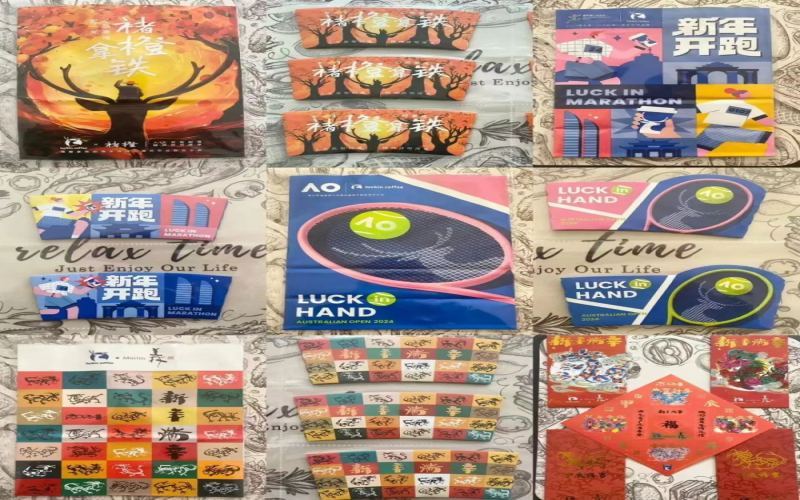
Starbucks Year of the Dragon cup sleeves break convention, marking a turning point in co-branded packaging strategy
Collaboration campaigns by coffee chains usually come with limited-edition cup sleeves, stickers, and paper bags, while Starbucks has long stuck to its classic brown paper bags and green logo, a habit consumers jokingly call "unchanged for a decade." Yet during the Chinese New Year of the Dragon, Starbucks unexpectedly rolled out three limited-edition dragon-year cup sleeves, sparking widespread discussion. Netizens jokingly dubbed this move "a decision that betrays the ancestors," and it was also seen as a new attempt by Starbucks at localizing in the Chinese market. Against the backdrop of accelerating store expansion into lower-tier cities and insisting on not engaging in price wars, can Starbucks win over more consumers through limited-edition packaging? This article takes you through the details. [more…]
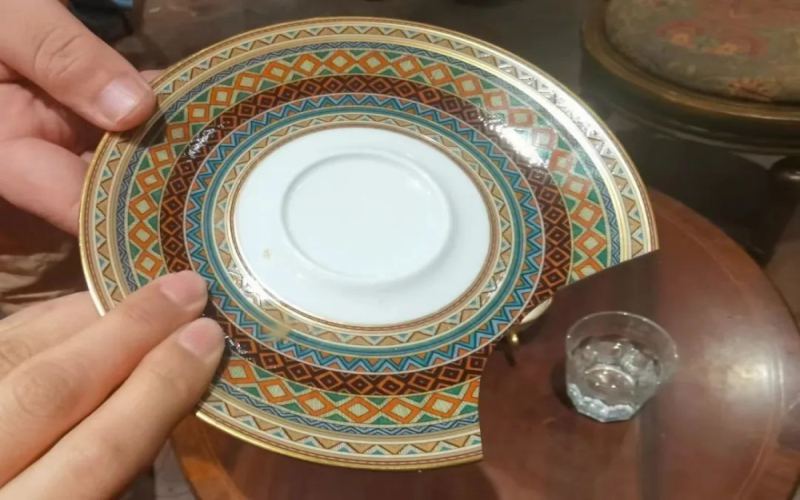
Shattering a cup saucer in a coffee shop and being asked to pay 3,000 yuan in compensation—should valuable utensils have their value marked in advance? This has sparked heated discussion.
Recently, a netizen claimed that while consuming at a café, they accidentally broke a cup saucer and were asked by the shop to pay 3,000 yuan in compensation. The incident quickly sparked widespread discussion online. The shop claimed the saucer was a genuine Hermès item but never produced valid proof. The final negotiated outcome was that the customer and the staff member each bore half of the compensation, but the netizen still had doubts about how it was handled and asked the public whether they should call the police and pursue judicial procedures. Around issues such as whether the compensation amount was reasonable, whether the shop should proactively remind customers of the value of its utensils, and how to identify genuine products, netizens engaged in extensive discussion. [more…]
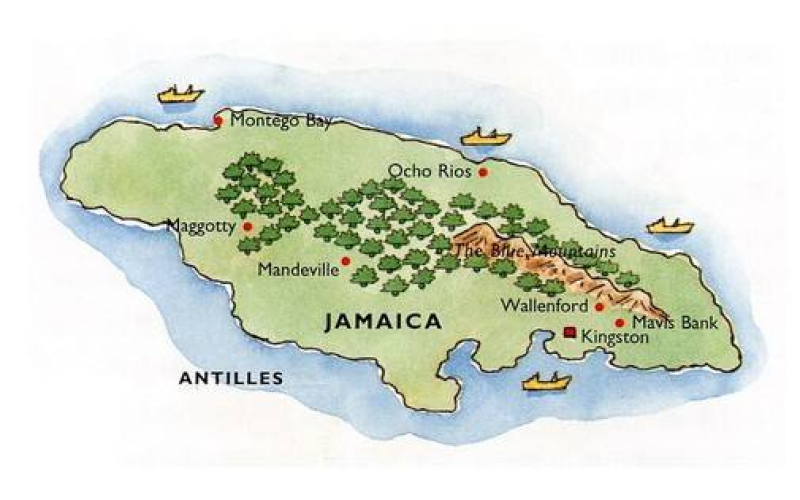
Jamaica Blue Mountain Coffee Beans Market Prices: A Full Analysis of Authentic Blue Mountain No. 1 Prices and Pour-Over Parameters
Blue Mountain coffee long held the throne as the pinnacle of top-tier coffee, and even today, authentic Jamaican Blue Mountain still commands a high price. But what exactly qualifies as true Blue Mountain? And what justifies its steep price? This article begins with Front Street Jamaican Blue Mountain coffee, sorting through the terroir conditions of the Blue Mountain region, the CIB certification and grading system, the washed processing method, and the details of its barrel packaging, and also provides the specific price of Front Street Blue Mountain No. 1 along with a pour-over brewing recipe. Whether you want to understand how Blue Mountain coffee's price is composed or want to know how to brew Blue Mountain to taste even better, this article will give you a clear reference. [more…]
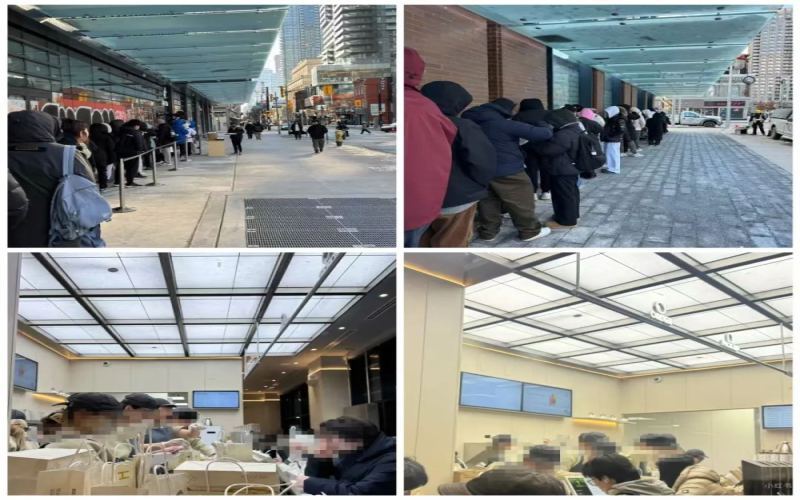
Fridge magnets from Heytea's new overseas stores resold for over a thousand yuan, fans queue in freezing winter amid scalping chaos
Heytea has recently accelerated its overseas expansion, opening new stores in Toronto, Canada and Birmingham, UK one after another. The limited-edition city fridge magnets given away during the opening events quickly became a focal point. The Toronto store, even in the bitter cold of minus six to seven degrees Celsius, still attracted a large number of fans who queued for hours, while the free fridge magnets were somehow resold on the second-hand market for as much as 200 Canadian dollars (about 1,019 yuan), leaving many merchandise enthusiasts stunned. At the same time, the involvement of scalpers and proxy buyers made them even harder to get, and fans began suggesting that the brand sell the fridge magnets at a clearly marked price to balance demand and market order. This article will walk you through the lively scenes of Heytea's overseas store openings, the reasons behind the fridge magnet hype, and consumer feedback on this phenomenon. [more…]
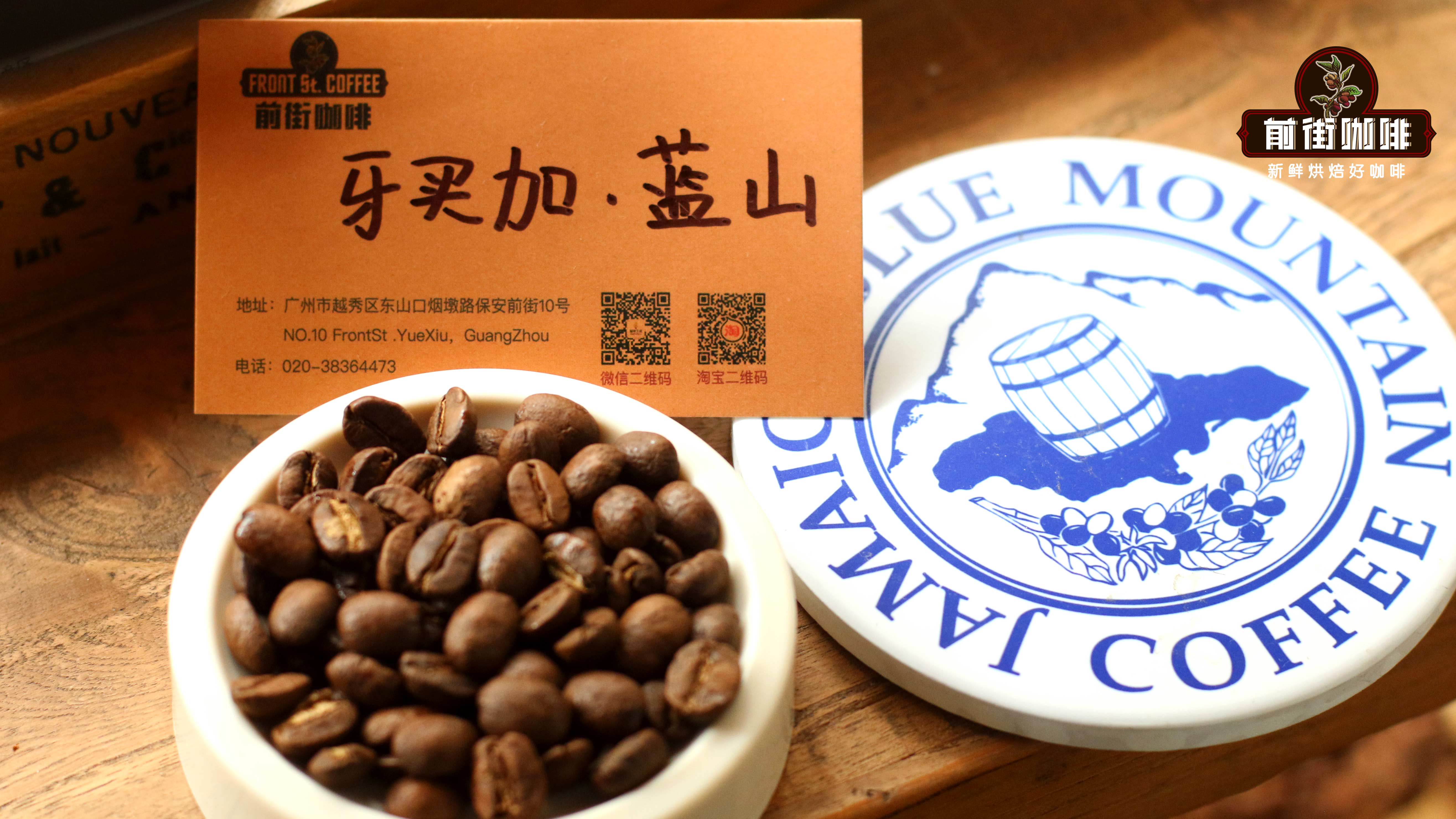
What is the English name of Jamaican Blue Mountain Coffee? How to Identify Authentic Blue Mountain Coffee Beans and Their Prices
Blue Mountain Coffee, known in English as Blue Mountain Coffee, originates from the high-altitude regions of Jamaica's Blue Mountains and is one of the most sought-after coffees in the world. This article provides a comprehensive introduction to Jamaican Blue Mountain Coffee from the perspectives of its growing environment, historical background, varieties and processing methods, and market distribution, with particular emphasis on how to distinguish authentic Blue Mountain coffee beans from counterfeit ones through three key points: the exporting company, barrel packaging, and certification certificates. At the same time, the article retains Front Street Coffee's brand recommendations and product information, including the flavor characteristics of Front Street washed Blue Mountain Coffee and the price of Front Street Blue Mountain No. 1 coffee beans, helping coffee enthusiasts gain a clearer understanding of this legendary coffee. [more…]
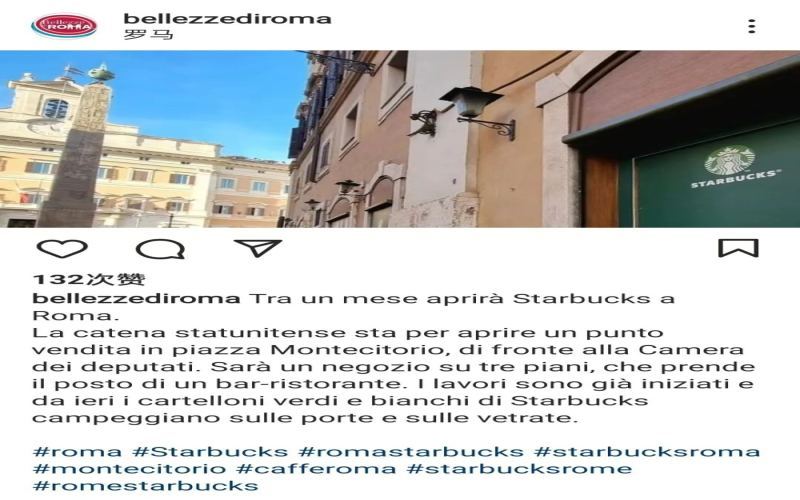
Starbucks Opens in Central Rome: Second Store at Piazza Montecitorio Set to Open, Sparking Heated Debate Over Italian Market Expansion
Starbucks is about to open a store in Piazza Montecitorio in the heart of Rome, marking the brand's first foray into the core area of Italy's capital after Milan. Since entering the Italian market in 2018, Starbucks has been gradually penetrating major cities, aided by the high-profile debut of its Milan Roastery. However, in Italy—a traditional coffee powerhouse where annual per capita consumption of coffee beans is 5.8 kilograms and the average price of an espresso is just 1 euro—Starbucks's high pricing stands in sharp contrast to local consumption habits, drawing questions from consumer associations and politicians. This article reviews the history of Starbucks's store openings in Rome and its market strategy, and explores the opportunities and challenges it faces in Italy's saturated coffee market. [more…]
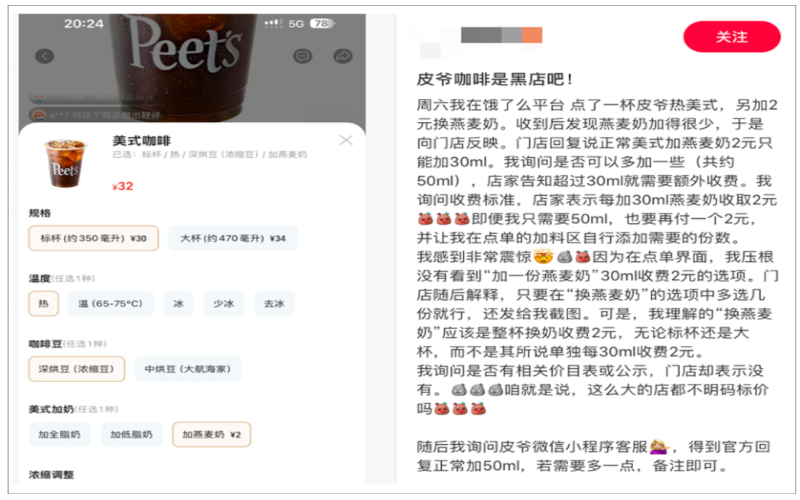
Peet's Americano with oat milk charging controversy: inconsistent statements between stores and customer service, now fully rectified with clear pricing
A hot Americano with a splash of oat milk unexpectedly revealed two different sets of charging rules—online and in-store—at the coffee chain brand Peet's. A customer selected the "add oat milk ¥2" option on a delivery platform, but was told by the store that only 30 ml had been added, and that adding up to 50 ml would require another ¥2. However, the official mini-program customer service said the option should have added about 50 ml, and made no mention of stacked charges. This confusion over the amount of milk added ultimately prompted Peet's to carry out a comprehensive overhaul of its nationwide stores and online ordering platforms, with clearly marked prices on the ordering interface. Behind this incident, what exactly are the charging standards for adding milk to Americanos at various coffee shops? And how should consumers order clearly? [more…]
A Complete Analysis of Jamaican Blue Mountain Coffee Flavor and Grades: Price, Region, Varieties, and Front Street Brewing Insights
Jamaican Blue Mountain coffee is hailed as the crème de la crème of coffee, but do you know why it is so expensive, how it is graded, and whether its taste leans more acidic or bitter? This article starts with the price of Blue Mountain coffee at FrontStreet Coffee to walk you through the genuine Blue Mountain certification mark, the distribution of its three major production regions, the characteristics of the Typica variety, and the grade differences between Blue Mountain No. 1, High Mountain coffee, and Jamaican coffee. It also analyzes how washed and natural processing methods affect flavor, and shares Front Street's brewing parameters and flavor descriptions for dark-roasted Blue Mountain beans. Whether you want to get your hands on Blue Mountain beans or simply want to understand the Blue Mountain system, this article will give you clear answers. [more…]
A Comprehensive Analysis of Jamaican Blue Mountain Coffee Beans: Origin, Varieties, Grading, Roasting and Brewing Characteristics, Prices, and Stories
Blue Mountain coffee is an extremely well-known name in the coffee world, but few people truly understand it. Jamaica has strict production-area restrictions on the naming of Blue Mountain coffee: only coffee grown within designated altitude ranges in the Blue Mountain range can bear the name Blue Mountain, and Blue Mountain No. 1 is the most strictly graded tier among them. This article will systematically sort out the full picture of Blue Mountain coffee from multiple angles, including production area scope, variety characteristics, grade classification, certification marks, the historical causes of its price, and roasting and brewing suggestions, helping coffee lovers make more accurate judgments when purchasing. The article also retains Front Street Coffee's recommendation information about Blue Mountain No. 1 coffee beans, including Clifton estate products, roast levels, and brewing parameters and other practical content. [more…]
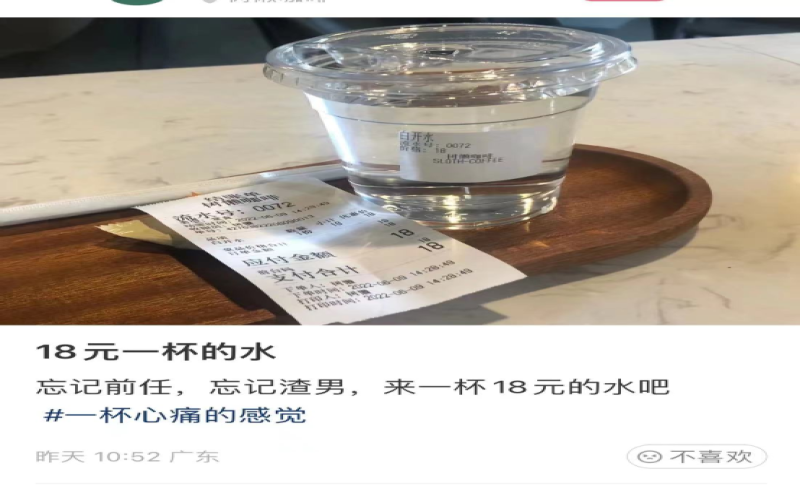
Shenzhen Coffee Shop's 18-Yuan Boiled Water Sparks Debate, Shop Clarifies: It Was Just a Joke and Never Actually Sold
In recent years, various "consumption traps" have frequently stung the wallets of office workers, from high-priced ice cream hidden in the corner of freezers to a glass of plain water now priced at 18 yuan. A picture of a bill from a coffee shop in Shenzhen showing plain water priced at 18 yuan circulated online, quickly sparking heated discussion among netizens. In response to the question "Would anyone really order this?", the shop had previously replied "Yes" on social media, making many people believe it was true. However, after media verification, the shop's staff said the picture was just a joke and that it was not actually sold. Although this farce ended without serious consequences, it also reflects consumers' current heightened sensitivity to high-priced everyday goods. This article will recount the course of the incident and review previous regulatory developments regarding curbing exorbitant-priced goods. [more…]

Cotti Coffee's first Hong Kong store lands in Sheung Wan: Can its low-price strategy sustain a high-cost market draws attention
On October 30, Cotti Coffee opened its first store in Sheung Wan, Hong Kong, operating on a grab-and-go model with prices at HK$10 to HK$20, far below other local coffee brands. In the early days after opening, it attracted many customers eager to check it out, but reviews of the taste were mediocre, and it faces pressure from Hong Kong's high rents and labor costs. Some analysts point out that the store needs to sell more than 400 cups a day just to break even. At the same time, Cotti itself is also grappling with store closures, supply chain shortages, and franchisees exiting, and its pace of opening stores has slowed markedly. With its cash flow under strain, whether expansion in Hong Kong, Macau, and overseas can become a new turning point remains to be seen. [more…]
A Comprehensive Analysis of Jamaican Blue Mountain Coffee Beans: Flavor, Taste, Brands, Prices, and Authenticity Identification
Blue Mountain coffee originates from the high-altitude regions of the Blue Mountains in eastern Jamaica. It is named after the blue glow reflected off the Caribbean Sea. It belongs to the same system as Jamaica High Mountain coffee, but the two differ in grade. This region has volcanic-rich soil, a tropical climate with year-round fog and rain, and the pure Typica variety introduced in the 18th century along with early wet-processing methods, all of which create the classic Blue Mountain flavor with its balance of sweetness, acidity, and bitterness. At present, most Blue Mountain coffee circulating on the market is consumed by markets such as Japan, Europe, the United States, and China. The Jamaica Coffee Industry Board (CIB) controls exports through mechanisms such as quality standards, authorization certificates, and certificates of origin. This article will provide coffee lovers with a complete overview of this legendary coffee from aspects including the characteristics of its origin, the appearance and flavor of Front Street Blue Mountain coffee, key points for identifying authenticity, the reasons for choosing Clifton Farm, and the price of Blue Mountain coffee. [more…]
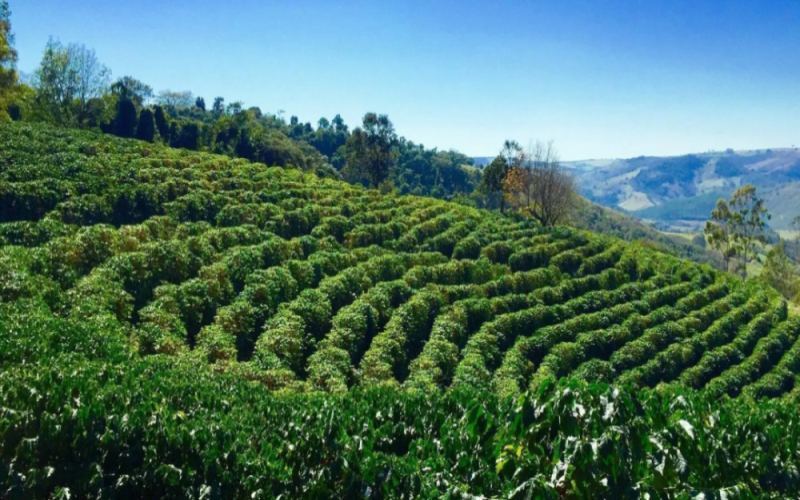
Global supply tightness combined with a weakening dollar keeps coffee bean prices climbing
The international coffee market has recently experienced a significant rally, with prices for both Robusta and Arabica rising. The factors driving this surge are complex: Brazil's coffee-growing regions continue to suffer from drought, and logistics delays at the Port of Santos occur frequently; the US dollar index has come under downward pressure due to rate cut expectations, and the Brazilian real has strengthened accordingly; Vietnam's Robusta supply is tight, and local green bean purchase prices have repeatedly hit new highs. At the same time, the USDA forecasts that global coffee production in the new year will increase by 4.2% year-on-year, but the trends among different varieties are clearly divergent. This article will review the supply and demand dynamics and price logic of major producing regions to help readers grasp the current pulse of the coffee market. [more…]
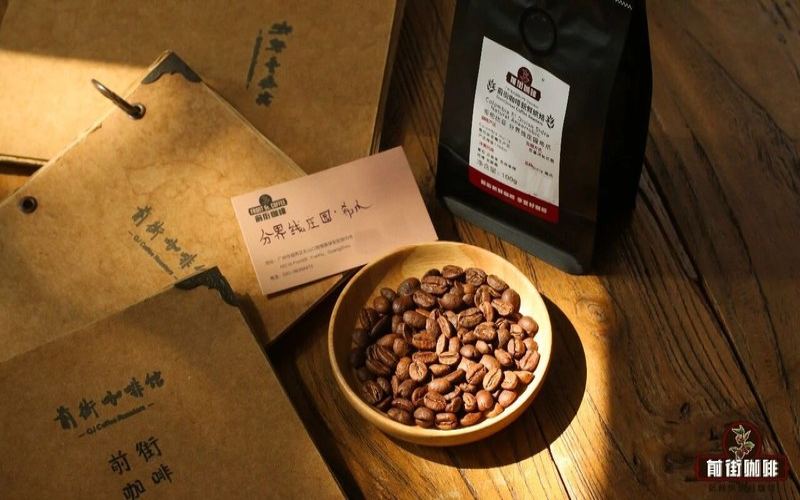
Choosing Authentic Blue Mountain by Roast Level: A Bean Selection Method from Light and Sweet to Rich and Full-Bodied
A cup of authentic Jamaican Blue Mountain doesn't have to take the intense, bitter route. Its allure often lies in the balance between soft acidity, delicate sweetness, clean aroma, and a smooth mouthfeel. When the roast level changes, the flavor focus of Blue Mountain shifts as well: a light roast is brighter, a medium roast is more rounded, and a dark roast is fuller-bodied. When the budget is limited, first [more…]
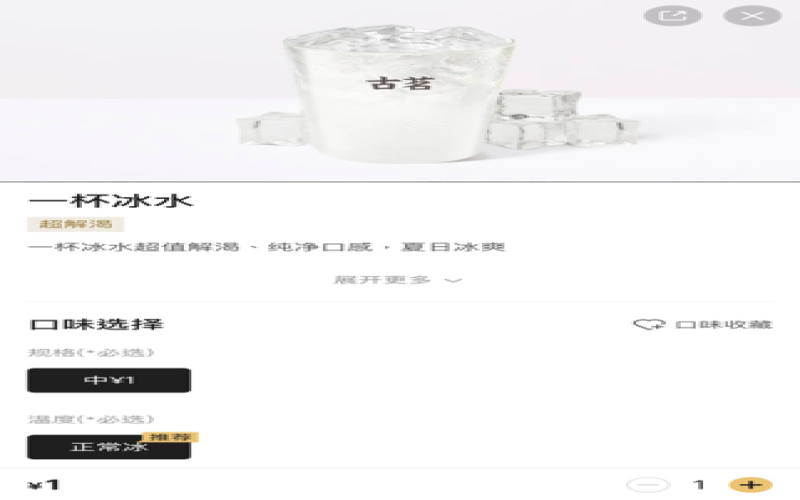
Guming's new 1-yuan ice water sparks debate: Is transparent pricing behind it considerate service or an unnecessary move?
Recently, the mini-program menu at Good-Me has quietly been updated, and a cup of ice water priced at 1 yuan has attracted widespread attention. This simple drink, consisting of a plastic cup, ice cubes, and drinking water, has been creatively reinterpreted by netizens in various ways—adding espresso to make iced Americano, mixing it with milk and boba to create a topped tea drink, or even replicating preserved plum lemonade. However, controversy has followed: many consumers point out that chain brands such as KFC and McDonald's, as well as street-side cafes, provide drinking water for free, and bringing your own cup to a Good-Me store also gets you ice water at no cost. Some employees even reveal that the packaging cup alone costs 7 mao, and with ice cubes and a straw added, each cup sold is actually a loss. Last year, Mixue Bingcheng's 1-yuan ice cup was withdrawn by franchisees one after another because it was unprofitable. Will Good-Me's move this time repeat the same mistake? Some also believe that clear pricing actually saves the awkwardness of communication, allowing those too embarrassed to ask to feel at ease. Front Street Coffee takes you to find out. [more…]

Jamaica Blue Mountain Coffee Flavor Analysis: Taste Characteristics, Authenticity Identification, and Regional Grade Classification
Blue Mountain coffee is probably one of the most globally recognized and most easily misunderstood coffee terms. Many people assume that Blue Mountain coffee is simply a "Blue Mountain flavor" with sugar and milk added, but in reality it refers to coffee beans produced in Jamaica's Blue Mountains. This article, from the perspective of Front Street Coffee, sorts out the origin background, grade classification, reasons for the high price, and key markers for identifying authenticity, while also introducing the flavor differences brought by washed and natural processing methods, and includes Front Street's recommended brewing parameters to help coffee lovers truly understand this classic coffee. [more…]